The Soil Secret Most Vegetable Gardens Get Wrong (And How to Grow Bigger, Better Harvests)
If your vegetable garden struggles with slow growth, weak plants, or disappointing harvests, the problem may not be your seeds or watering routine—it could be your soil.
Many gardeners spend hours planning what to plant but overlook the most important ingredient beneath everything: the soil itself.
At Burlington Garden Supplies, the focus is on supplying tested, high-quality soils designed to help gardens thrive through every stage of growth. Their selection includes premium blends created for healthy root development, moisture balance, and long-term garden performance.
So, what is the best soil to use for a vegetable garden?
Let’s dig in.
Why Soil Matters More Than Fertilizer
Think of soil as the foundation of your entire garden.
Even the healthiest seedlings can struggle if planted into compacted, nutrient-poor, or poorly draining soil. Vegetables need a balance of:
- Nutrients for growth
- Moisture retention without waterlogging
- Proper drainage
- Air circulation around roots
- Organic matter for healthy soil biology
Good vegetable soil doesn’t just feed plants—it creates an environment where roots can expand and absorb what they need efficiently.
That’s why choosing the right blend from the beginning saves time, effort, and frustration later.
The Best Soil for a Vegetable Garden: Triple Mix
For most vegetable gardens, Triple Mix Soil is considered one of the strongest all-around choices.
According to Burlington Garden Supplies, Triple Mix combines materials designed to support healthy plant growth and balanced root development.
Triple Mix is commonly valued because it offers:
- Rich organic content
- Improved moisture retention
- Better drainage than heavy clay soils
- Enhanced root development
- Balanced growing conditions for vegetables
This makes it especially useful for:
- Raised garden beds
- Backyard vegetable gardens
- Tomato planting areas
- Herb gardens
- Seasonal food gardens
Vegetables such as tomatoes, cucumbers, peppers, beans, lettuce, and zucchini often perform well in nutrient-rich blended soils.
Understanding Other Soil Types (And When to Use Them)
Not every gardening project needs the exact same soil. Burlington Garden Supplies offers several options depending on the goal of your project.
Topsoil
Topsoil works well as a base layer or for filling and grading but generally benefits from additional organic matter before planting vegetables.
Best for:
- Levelling garden areas
- Base preparation
- Mixing with compost
Black Loam
Black Loam is often selected when moisture retention and improved soil structure are priorities. (Lady Bug Bag)
Best for:
- Drier gardens
- Improving existing beds
- Moisture-sensitive crops
Manure Loam
Manure Loam adds organic content and nutrient support to existing soils. (Lady Bug Bag)
Best for:
- Nutrient boosting
- Soil rejuvenation
- Existing vegetable beds
Raised Beds vs In-Ground Gardens: Does Soil Change?
Yes.
Raised Garden Beds
Raised beds generally perform best with nutrient-rich blended soils because drainage happens more quickly.
Triple Mix is often a practical choice because it provides a balance of nutrients and water retention.
In-Ground Vegetable Gardens
Existing soil conditions matter.
If your yard contains compacted clay or sandy soil, mixing premium soil into the existing ground can improve results significantly.
A simple approach:
- Remove weeds
- Loosen existing soil
- Add fresh blended soil
- Mix thoroughly
- Water before planting
Local Gardening Tips for Burlington, Waterdown, Oakville & Hamilton
Southern Ontario gardeners face changing weather conditions and varying soil quality.
Local conditions often mean gardeners benefit from starting with professionally prepared soil instead of relying entirely on existing yard soil.
Burlington Garden Supplies serves homeowners and landscapers throughout Burlington and surrounding communities including Oakville, Waterdown, and nearby areas with premium soils, mulches, aggregates, and delivery options.
A few local tips:
- Wait until frost risk has passed before planting warm-weather vegetables
- Add fresh soil annually for best results
- Avoid overwatering nutrient-rich soil
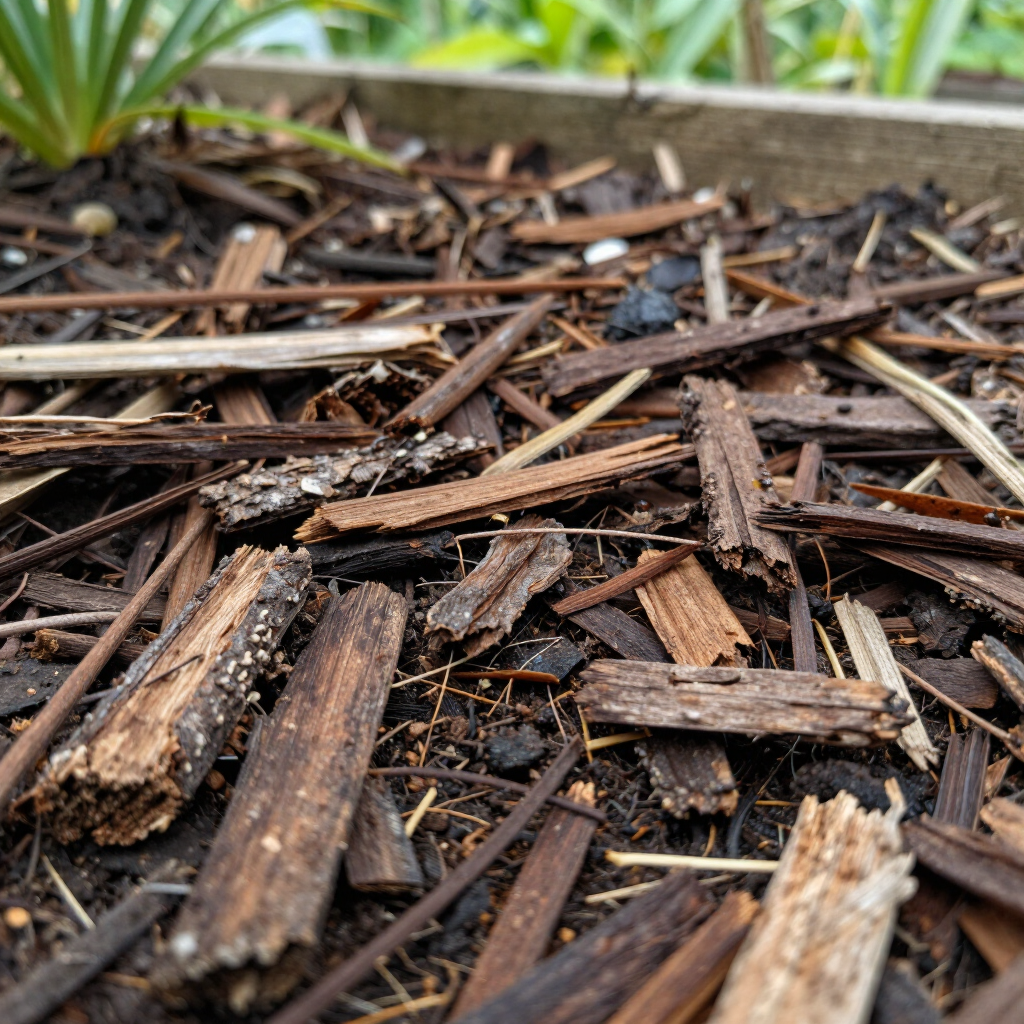
- Mulch around vegetables to reduce evaporation
How Much Soil Do You Need?
A common mistake is underestimating volume.
As a general guideline:
- 1 cubic yard covers approximately 100 square feet at 3 inches deep. (Lady Bug Bag)
Measure your garden before ordering so you avoid extra trips or running short halfway through planting.
Build a Better Harvest From the Ground Up
If you want healthier vegetables, bigger harvests, and less frustration this season, start with the soil.
Quality soil creates stronger roots, improves water efficiency, and gives vegetables the conditions they need to thrive.
Whether you’re building raised beds, refreshing an existing garden, or planting your very first vegetables, premium tested soil can make all the difference.
Explore soil options and get expert guidance from Burlington Garden Supplies—because beautiful gardens really do start from the ground up.