
How Much Soil Does a Garden Bed Need? A Burlington Buying and Planning Guide
The easiest way to estimate soil for a garden bed is to calculate its length, width and required depth, then convert that volume into the unit used by your supplier. At Burlington Garden Supply, we help homeowners and contractors choose an appropriate soil product and order a practical amount for the project. Accurate measurements reduce shortages, excess material and unnecessary delivery costs, but the calculation is only one part of the decision. The existing ground, plant type, settling and finished grade all affect how much you should actually buy.
Start by measuring the planting area in feet. For a rectangular bed, multiply length by width to find square footage. Multiply that number by the planned depth in feet to find cubic feet. Because soil depth is usually measured in inches, divide the number of inches by twelve before multiplying. For example, six inches equals one-half foot. Divide the resulting cubic feet by twenty-seven to convert it to cubic yards. Round thoughtfully rather than pretending garden measurements are perfectly precise.
Why soil depth matters
Different projects need different depths. A light top-dressing over an established lawn is not the same as filling a new raised bed. Refreshing an existing flower bed may require only enough material to replace settled soil or add organic matter, while a new bed over poor ground may require a deeper growing layer. The root needs of the plants, the condition beneath the bed and the finished elevation should guide the depth.
Do not automatically fill a bed to the top of its edging. Leave room for mulch where it will be used, and keep soil below siding, wood trim and other building materials. Soil piled against a structure can trap moisture and create drainage or pest concerns. Around trees and shrubs, avoid burying trunks or root flares. When in doubt, confirm planting and grading requirements before ordering.
A simple rectangular-bed calculation
Suppose a bed is twelve feet long and four feet wide, and you want six inches of new soil. Twelve multiplied by four gives forty-eight square feet. Six inches is one-half foot, so forty-eight multiplied by one-half gives twenty-four cubic feet. Divide twenty-four by twenty-seven and the theoretical volume is about 0.89 cubic yard.
That number is a starting point. If the bed has low areas, irregular edges or loose material that will settle, the practical order may differ. Measure the site at several points and tell us whether you are topping up an existing bed or building a new one. We can help translate the calculation into the way the chosen product is sold.
How do you measure a circular garden bed?
For a circle, measure the radius from the centre to the edge. Multiply the radius by itself, then multiply by approximately 3.14 to estimate square footage. Multiply that area by the depth in feet and divide by twenty-seven for cubic yards. If you only know the diameter, divide it by two to get the radius.
Perfect circles are rare in landscaping. If the bed is oval or loosely curved, divide it into smaller rectangles and circles, calculate each portion and add them together. A sketch with dimensions can be more useful than one rough length. For a winding border, measuring several sections separately usually produces a more realistic total.
What about L-shaped or irregular beds?
Break an L-shaped bed into two rectangles. Calculate the volume of each and add them. For a triangular section, multiply the base by the height and divide by two before applying the soil depth. Curved corners can be estimated as partial circles. The goal is a reliable planning number, not surveying-level precision.
Keep notes about areas that are already full or contain large rocks, root balls or permanent features. Those objects displace soil. At the same time, do not subtract every small plant pot from the calculation; loose soil settles around roots and the bed may still need topping up. Photos and a measured sketch help our team understand what you are filling.
Should you add extra for settling?
Fresh, loose soil commonly settles after placement and watering. The amount varies with the blend, moisture, compaction and how it is installed. Rather than applying one universal percentage, consider the project. A raised bed filled with loose material may settle more noticeably than a thin top-dressing. A bed that must meet a precise finished grade should be checked after watering and allowed to settle before final planting where practical.
Avoid heavily compacting garden soil simply to stop settlement. Roots need a suitable balance of air, water and support. Place material in manageable layers, level it gently and water as appropriate for the project. If you are hiring a landscaper, ask whether their quantity includes expected settlement and whether they return for final grading.
Which soil product should you choose?
The word “soil” covers several products with different purposes. Burlington Garden Supply carries options such as topsoil, triple mix, black loam, manure loam and top dressing. The right choice depends on what is already on site and what you intend to grow. A material used to establish grade is not automatically the best finished growing medium, and a rich blend may not be necessary for every fill application.
Topsoil can be used for many general landscaping needs, while blended products may support planting beds where organic content and texture are important. Top dressing is selected for a different task than filling a deep raised bed. Ask about the product's intended use and explain whether the area is for lawn, vegetables, annuals, perennials, shrubs or general fill. We can help you narrow the options without pretending every garden needs the same mix.
How much soil is needed for a raised bed?
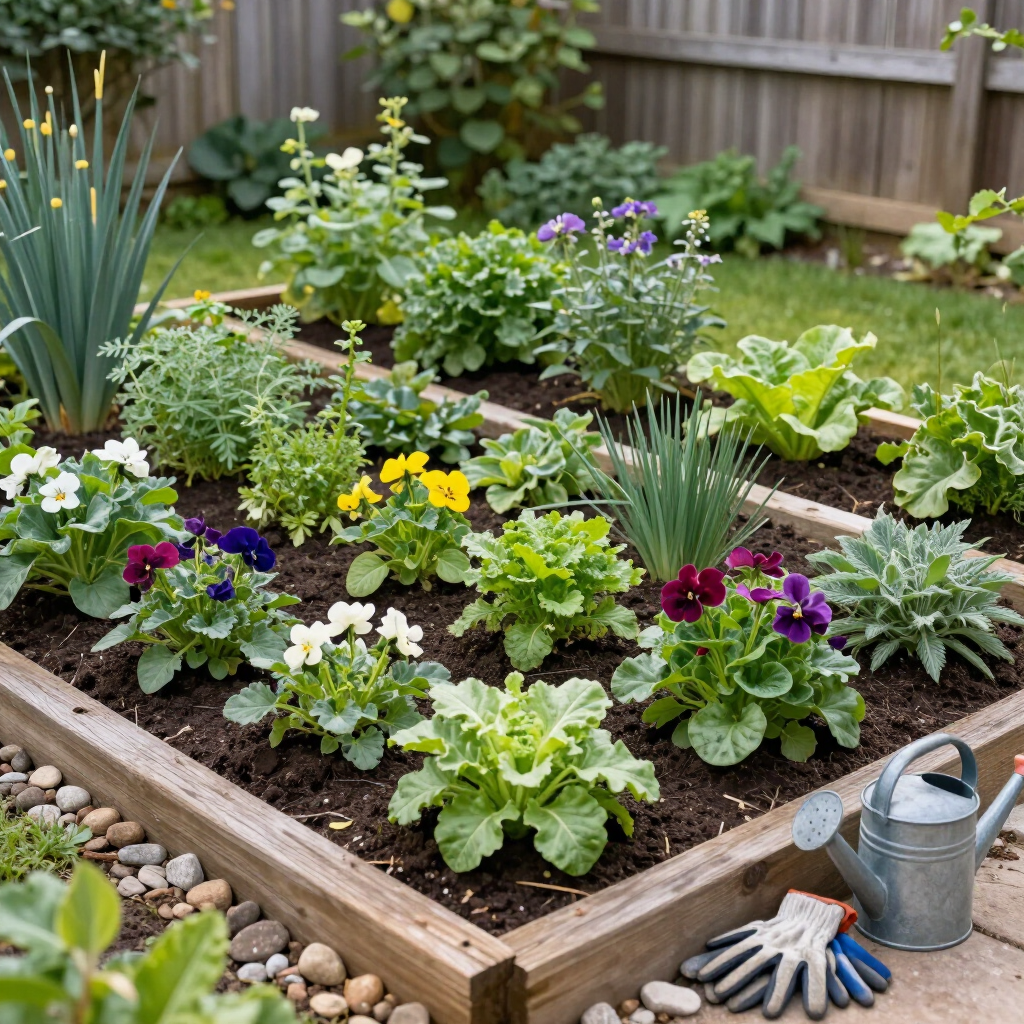
Measure the inside length and width, not the outside dimensions of thick timbers or blocks. Measure the fill depth from the base material to the planned soil level. If the bed is placed over existing soil, decide whether you are improving the ground beneath it or creating a contained growing area. Account for any drainage layer only if it is actually part of the design.
Deep raised beds can require more material than homeowners expect. Before filling them entirely with premium planting mix, discuss the bed construction, crop roots and drainage plan. Some designs use different appropriate materials in layers, while others call for a consistent growing medium. Avoid filling the bottom with random construction debris or materials that could settle unpredictably or affect drainage.
How much soil is needed to top up an existing bed?
Measure the surface area and estimate the average missing depth. If one side is two inches low and another is four inches low, use several measurements instead of the deepest point. Remove weeds and identify why the bed lost grade. Erosion, poor edging, animal activity or ongoing settlement may need attention so the new soil stays in place.
Be careful around established plants. Adding too much soil over roots or against stems can harm them. Spread the material gradually and maintain the appropriate crown or trunk exposure. If plants are crowded or the bed has drainage issues, a gardener or landscape professional may need to assess it before a large delivery.
Planning soil for a new lawn
For lawn work, determine whether you are top-dressing an established lawn, repairing patches or preparing a new seed or sod area. Each has a different depth and preparation process. The existing soil may need loosening, grading or amendment before new material is spread. A thin top-dressing should be even enough that grass is not buried.
Slope the finished grade to manage water appropriately and keep soil away from building components. If water currently collects near the foundation, simply adding soil without understanding drainage can move the problem. Large grading changes may require professional advice and attention to local requirements.
Delivery versus pickup
A few bags may suit a small planter, while a yard or more of bulk soil is usually easier to handle by delivery or trailer. Think about where a truck can safely place the load and how you will move it before ordering. Soil is heavy, especially when wet. Do not assume it can be dumped on a driveway, boulevard or roadway without permission and protection.
Burlington Garden Supply offers pickup and delivery options for stocked products. When arranging delivery, provide accurate contact information, the product and quantity, and clear placement instructions. Confirm access, overhead wires, parked vehicles and the surface where material will be placed. The driver must make the final safety decision at the property.
Common estimating mistakes
The most common mistake is mixing inches and feet. Four inches is not 0.4 foot; it is one-third of a foot. Another mistake is calculating square feet but forgetting depth, or ordering cubic feet when the supplier sells cubic yards. Write the units beside every number and convert only once.
Homeowners also forget to use inside dimensions for containers, overlook a second bed, or measure the longest points of an irregular area as though it were a full rectangle. Others add a large “just in case” amount without planning where leftovers will go. A modest, project-specific allowance is better than an arbitrary extra yard.
What should you do with leftover soil?
Identify a suitable use before the delivery arrives. Small amounts may top up another bed or level a low spot, provided the product is appropriate. Do not pile soil against fences, tree trunks or the house, and do not dump it into natural areas or drains. Keep different products separate if you need them for different purposes.
If you are unsure whether your estimate is high, stage the project so the main beds are filled first and optional areas last. For very large or complex jobs, a landscape contractor can calculate quantities and manage placement. The cost of professional planning may be worthwhile when access is difficult or grading is critical.
A quick ordering worksheet
Before contacting us, write down the length, width and depth of every bed. Mark each area with a letter and calculate it separately. Add the volumes only when the same product will be used in all of them. Note narrow gates, stairs and the distance from the delivery point to the garden. Estimate how many wheelbarrow trips and helpers the placement will require. Check the weather and prepare a tarp where appropriate. A bulk pile is easier to manage when the placement area is ready and the project can begin soon after delivery. Keep the material contained and prevent runoff into the street or a catch basin.
Plan the order before the shovel comes out
Good soil planning begins with measurements and ends with the right product in the right place. Bring us your bed dimensions, target depth, plant type and a photo or sketch of the site. At Burlington Garden Supply, we can help you compare garden supplies in Burlington, calculate a practical quantity and arrange pickup or delivery so your project starts with a solid foundation.