
Planning Next Spring’s Garden: How to Build a Burlington Landscape Supply List
Build next spring's landscape supply list around the work you intend to do, the measurements of each area, and the condition of what is already there. Separate soil, mulch, stone, and lawn materials by purpose, then estimate quantities and plan access for delivery or pickup. At Burlington Garden Supplies, we can help you compare materials more effectively when the list describes a project rather than simply saying “a few yards of something for the garden.” November is a useful time to review the season while you remember which beds dried out, which paths became muddy, and where maintenance was difficult. You do not need to order everything immediately. A measured plan lets you revisit choices, budget sensibly, and ask better questions before spring activity begins.
Start with a project list
Walk the property and write down the areas you want to change. A new flower bed, lawn repair, a refreshed mulch layer, and a stone border are separate projects with different material needs. Give each a name so measurements and notes do not become mixed together.
Rank the work by importance. A drainage or access problem may deserve professional assessment before a decorative upgrade. A bed that needs minor replenishment may not require the same purchase as a completely new raised bed.
We suggest choosing a manageable first phase. Buying materials for a whole-yard transformation can create storage and labour problems if you only have time to complete one section. A phased list keeps the order connected to the work you can actually do.
What did you learn from the last growing season?
Record where plants struggled, water collected, soil washed away, or weeds repeatedly appeared. Note sun and shade patterns, how the soil behaved after rain, and what was difficult to maintain. These observations help define the problem before you select a product.
Do not assume more soil will solve every issue. Compaction, grading, drainage, plant choice, and existing soil conditions can all matter. A persistent wet area may need professional advice rather than a layer of material placed over it.
Photographs are useful because a dormant garden can look different from its summer condition. Keep a few images with your notes so you can explain the project when discussing supplies.
How should you measure garden areas?
Measure length and width for simple rectangular areas and divide irregular shapes into smaller sections. Record units clearly. For material volume, you also need the intended depth, expressed in the same units before calculating.
Length multiplied by width gives area; multiplying area by depth gives volume. For example, an area measured in feet needs a depth converted to feet to produce cubic feet. Divide cubic feet by 27 to express the result in cubic yards.
Check the proposed depth for the actual task before calculating. The depth for a mulch refresh is not automatically the depth for filling a new bed. We can discuss the material, but a specific planting or construction design may need additional guidance.
Which soil belongs on the list?
Our soil selection includes products such as topsoil, triple mix, black loam, manure loam, and top-dressing material. Those names identify options to compare; they do not mean every product is interchangeable. Tell us whether you are establishing a bed, replenishing an existing area, levelling a lawn, or planning another use.
Consider what is already in the ground and what you intend to grow. If you have a soil test or a landscape plan, bring it. A product should suit the project rather than be chosen solely because its name sounds rich or dark.
You can review our soil products to see the current selection before asking about suitability and quantity. Confirm the exact material and ordering unit at purchase, because catalogue details and availability can change.
How do you plan a mulch order?
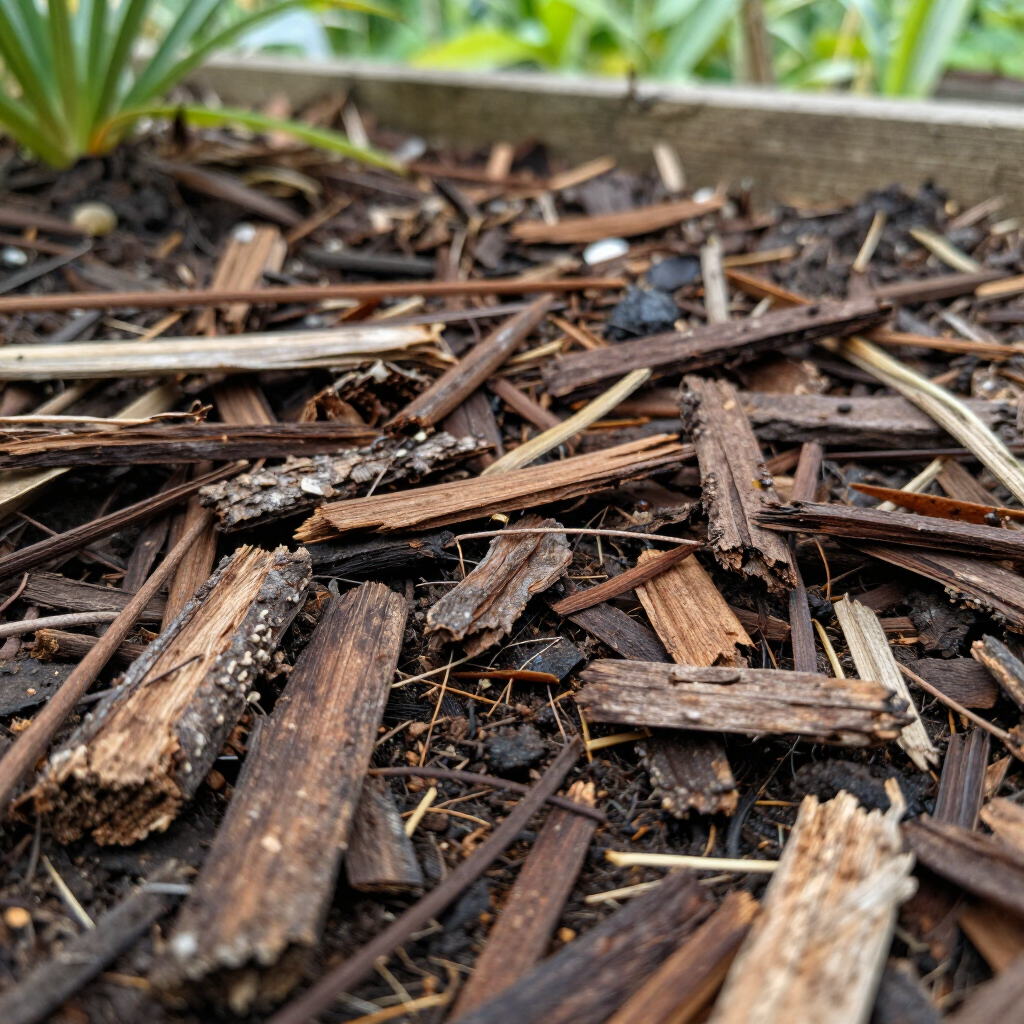
Decide which beds need new mulch and inspect the existing layer. A refresh may require less than a bare bed. Measure the area and choose a suitable finished depth for the material and plants involved. Avoid repeatedly adding layers without checking what remains underneath.
Keep mulch away from direct contact with trunks and sensitive plant crowns as appropriate. It should not be piled against siding or used to hide a drainage issue. The placement matters as much as the quantity.
Our range includes different mulch choices, so think about appearance, texture, and maintenance. A sample or an in-person look can help you compare colour with the house, paths, and existing landscape.
What should you consider for decorative stone?
Start with the purpose: a visual border, a pathway, a drainage-related project, or a larger landscape feature. Decorative stone and structural base materials serve different roles. Do not select a product only from its colour if it must perform a technical function.
Measure the area and discuss the depth and preparation required for the project. A path may need a properly designed base and edging, while a decorative surface has other considerations. If drainage or structural work is involved, seek the appropriate professional design.
Choose a stone size and shape that suit the location and intended use. Rounded rock can look attractive but may behave differently underfoot from a compacted material. A garden supply list should include the supporting work, not just the visible finish.
What belongs on a lawn-repair list?
Identify whether you are addressing bare patches, general thinning, unevenness, or a larger renovation. Those goals can involve different combinations of seed, top-dressing material, preparation, and aftercare. A product cannot compensate for an unresolved reason the lawn repeatedly fails.
Note sun and shade, traffic, water access, and whether the area is compacted. Consider the timing of seeding and local conditions when the work actually begins. A spring plan should remain flexible if weather is unsuitable.
Our store lists lawn-related products alongside landscape materials. Ask about the current options and their intended use, and follow product-specific application directions rather than treating every patch the same way.
How do you separate essential and optional purchases?
Create a core list for the work that must happen: the correct material, required preparation, and any edging or disposal arrangement. Put decorative additions in a second section. That makes it easier to adjust the budget without accidentally removing a necessary part of the project.
If you are comparing material options, write why each is being considered. One may suit appearance better, another may be easier to maintain, and another may meet a contractor's specification. A clear comparison is more useful than several prices with no context.
Do not buy a substitute simply because it is available sooner if it serves a different purpose. Ask whether the alternative is appropriate for the specific task.
What affects the quantity you should order?
Area and depth are the starting point, but existing material, settlement, uneven ground, and the project design can affect the estimate. Avoid adding a large arbitrary buffer to every item. Discuss a sensible allowance based on the material and work.
For several beds, keep separate calculations and then total only matching products. Soil, mulch, and stone should not be combined into one volume figure. If ordering by weight rather than volume, confirm the conversion and product-specific information with the supplier.
Record the final quantity and units on the order. “Two” can mean bags, yards, or another measure; clarity prevents an expensive misunderstanding.
How should you plan delivery access?
Decide where materials can be placed safely and how they will reach the project area. A driveway drop may still leave a long wheelbarrow route to the backyard. Gates, steps, slopes, parked cars, and overhead obstacles can affect access.
Ask what the delivery method requires and whether the proposed drop location is suitable. Do not assume a truck can cross a lawn or enter a narrow side yard. Protect access routes and avoid blocking sidewalks, roads, drains, or neighbours.
Our Burlington location offers pickup and delivery arrangements for current products. Confirm service availability, timing, and placement conditions when ordering rather than relying on an old estimate or seasonal assumption.
What if you prefer pickup?
Check the vehicle or trailer's rated capacity and the supplier's loading arrangements before arriving. Landscape materials can be heavy. A volume that looks manageable in a small pile may exceed a vehicle's safe load.
Ask about the product's ordering unit, approximate weight where relevant, and whether smaller quantities are available. Secure the load appropriately and follow road-safety requirements. Do not make the plan depend on an overloaded vehicle.
If pickup becomes impractical, compare delivery. The cost should be weighed against time, multiple trips, handling, and the work you still need to do at home.
Should you schedule a cleanup or disposal step?
New material often follows removal of old sod, unsuitable soil, debris, or unwanted landscape features. Include that work in the plan. Do not order a large delivery before you know where the removed material will go.
Our business lists bin rental options for certain landscape cleanup materials. Confirm what can be accepted, the quantity and weight limits, placement requirements, and current terms. Do not assume a landscaping bin accepts every type of household or construction waste.
A staged schedule can make the site easier to manage: remove and prepare, confirm measurements, then bring the new material. The exact sequence depends on the project.
How can you compare garden supply prices fairly?
Compare the same product category, quantity, and ordering unit. Include delivery, taxes, loading or handling considerations, and any minimum order. A lower unit price may not produce the lowest project cost if you need several trips or a different preparation method.
Quality and suitability matter too. Ask what the product is intended for and whether it matches a contractor's specification or your garden plan. A material that does not serve the task can be costly to remove.
Keep your quote dated and reconfirm before ordering in spring. A November planning figure is a budget tool, not a promise of future price or availability.
What should you bring to Burlington Garden Supplies?
Bring the project list, measurements, intended depths, photos, and any professional specifications. Tell us whether you need pickup or delivery and describe the drop area. If you are unsure which material fits, explain the goal instead of guessing a product.
Our garden supplies in Burlington include soil, mulch, aggregates, lawn-related products, and other listed services. We can discuss current options and help you organize an order around the work.
If you are planning several phases, tell us. It may be more practical to order materials in stages than store everything through the winter.
Keep the plan easy to update
Store measurements and product notes in one place, and mark any number that is still an estimate. If a bed changes shape or a contractor changes the design, update that project's calculation before combining totals. This prevents an old sketch from becoming an incorrect order.
Keep photographs of the site and delivery area with the list. When spring arrives, walk the property again to check whether winter changed drainage, access, or existing material levels. Planning ahead is useful precisely because it gives you time to revise thoughtfully.
Frequently asked questions
Should I order all spring materials in November?
Not necessarily. Planning and measuring now can be useful, while actual ordering depends on storage, weather, availability, and your project schedule.
Is topsoil the right choice for every garden?
No. The suitable material depends on the existing conditions and intended use. Explain the project and compare the options.
Can I estimate quantity from a photograph?
A photograph helps explain the area but cannot reliably replace measurements and intended depth. Bring both for a better discussion.
Should I add mulch over the old layer?
Inspect what remains and choose an appropriate finished depth. Repeated layering without checking can create problems around plants and structures.
What if my yard has standing water?
Do not assume new soil or stone will solve it. The cause may need professional drainage or grading assessment.
How do I start an order?
Prepare your measurements and material list, then contact us or visit to confirm products, quantities, price, and pickup or delivery arrangements.
Make spring easier with a measured plan
We want your supply list to support the work you actually intend to complete. Review last season, separate the projects, measure carefully, and plan access and cleanup before ordering. Burlington Garden Supplies can help you compare the current materials and turn that winter planning into a practical spring project.